Make Tipping Less Awkward
Tipping often feels awkward, not because customers don't want to tip, but because of common hang-ups like not knowing who to tip or how to pay. A digital tip jar can smooth these moments.
Tip Jar Editorial · Updated September 4, 2026 · 2 min read
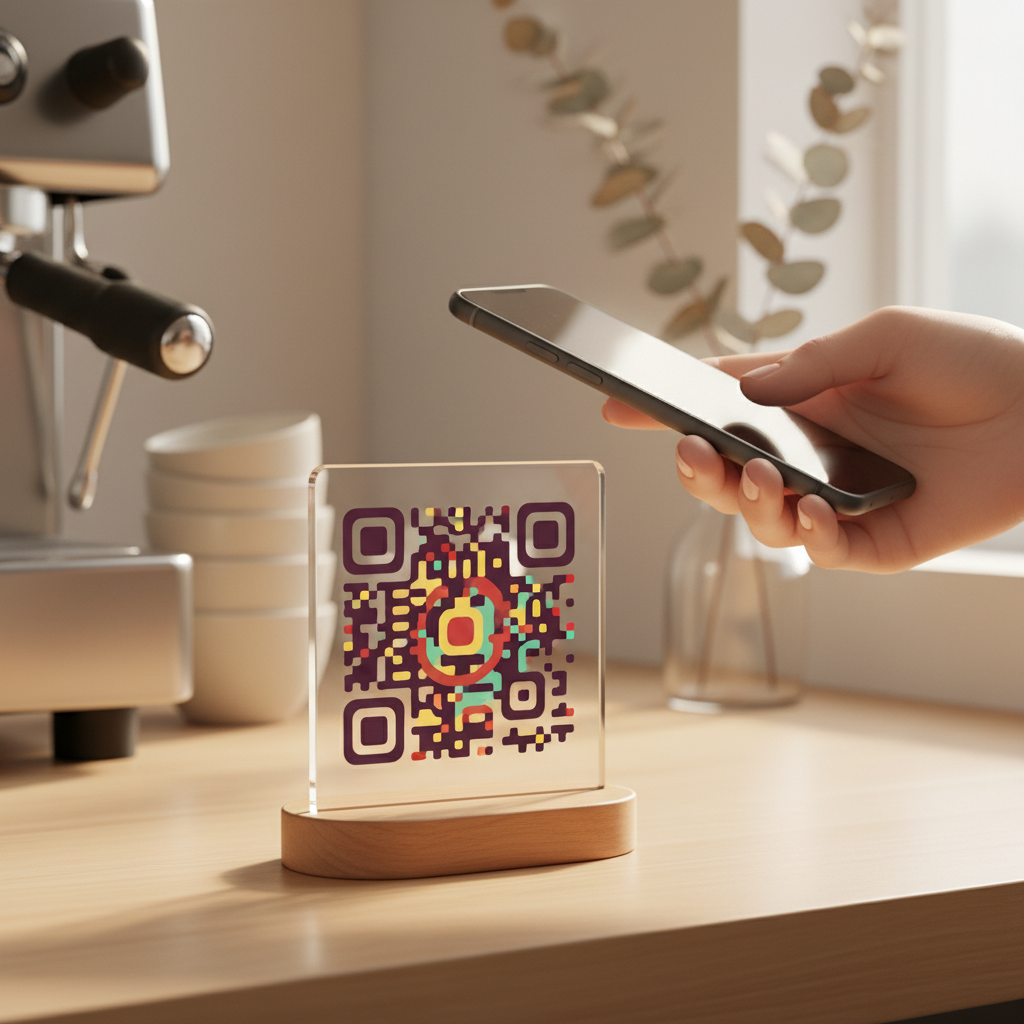
The awkwardness around tipping often comes from 'tipping friction': customers want to tip but encounter barriers. To make it less awkward, address these frictions directly and make the process clear and easy.
Understand Why Tipping Feels Awkward
Customers often don't tip because of what we describe as 'tipping friction'. This isn't about being unwilling to tip, but about practical barriers. Common frictions include:
- Discovery friction: The customer doesn't know tipping is an option.
- Identity friction: They're unsure who they're actually tipping.
- Social friction: Asking or being asked for a tip feels awkward in person.
- Payment friction: They have no cash and no obvious digital way to pay.
- Timing friction: The moment passed; they already left.
- Trust friction: They're unsure where the money actually goes.
These frictions usually happen after the service, not during it. Goodbyes are short, and hands are often full, so if the only tipping option is at the exit, many grateful customers will walk past it.
Reduce Friction with a Clear Digital Option
To make tipping less awkward, focus on clarity, ease, and timing. A digital Tip Jar can help by addressing several of these frictions:
Provide Clear, Easy Access
Share your Tip Jar as a link or a printed QR code. This can be done as an email signature link or embedded on your own website. Creating a Tip Jar takes about two minutes and doesn't require a website to get started.
Customers don't need to download an app or create an account; they open a page, pick an amount, and pay by card or wallet. The smallest tip Tip Jar accepts is $5. This reduces payment and technology friction.
Clarify Who Gets the Tip
When a customer is ready to tip, 'who am I tipping?' is a different question from 'how do I pay?'. With Tip Jar, guests can send a tip to one named person or to the whole crew. The money routes to whoever was chosen. If the customer doesn't know names, they can tip the whole crew, provided the jar has that option turned on.
Team members can appear on a Tip Jar and be chosen by customers even before they've finished setting up their own payouts; tips credited to them route to the business in the meantime and stay attributed to them. This transparency helps reduce identity and trust friction.
Payments and payouts run on Stripe, and money lands in the recipient's own bank account. Tip Jar keeps a 3% platform fee, taken out of the tip rather than added to it.
Make Signage Helpful, Not Awkward
Tipping signs often feel awkward because they ask instead of offer, explain too much, or look improvised. A sign that reads like part of the experience rarely feels like a handout.
Avoid tiny, unexplained QR codes, paragraphs of copy, aggressive asks, ambiguous recipients, or several competing codes. Weaker signage also happens when the code is hidden behind equipment, has poor contrast, or is a generic payment code not clearly for tipping.
A generic payment link can collect money, but a Tip Jar creates a tipping moment. By offering a straightforward digital option where the customer is, you can remove much of the awkwardness from the tipping process.
Questions people actually ask
What makes tipping feel awkward for customers?
Tipping often feels awkward due to various 'tipping frictions,' such as not knowing if tipping is an option, being unsure who to tip, lacking cash for payment, or the moment for tipping passing before they could act.
How does Tip Jar reduce awkwardness around payment?
Tip Jar reduces payment awkwardness because customers can pay digitally by card or wallet without downloading an app or creating an account. The smallest tip accepted is $5.
Can customers tip a specific person or the whole team?
Yes, guests can send a tip to one named person or to the whole crew. The money routes to whoever was chosen, or to the crew if that option is enabled for customers who don't know names.
Where does the tip money go?
Tips are processed through Stripe and land directly in the recipient's own bank account. A 3% platform fee is taken out of the tip itself, not added on top for the customer.