How to Ask for Tips Politely and Make Tipping Less Awkward
Overcome the common reasons customers don't tip, even when they want to, by making it easy and clear for them.
Tip Jar Editorial · Updated September 21, 2026 · 3 min read
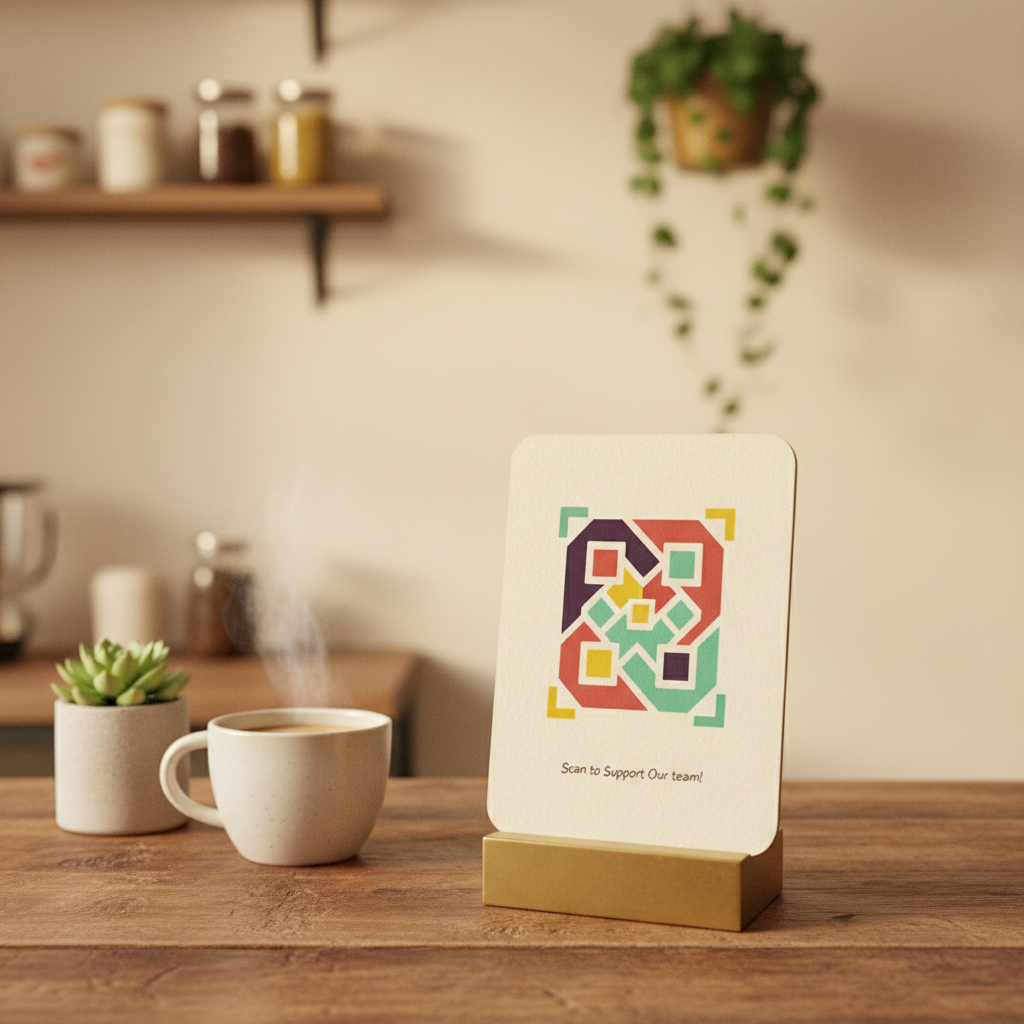
Getting more tips without being pushy means identifying and removing the obstacles that prevent customers from tipping. These obstacles, which we call 'tipping friction,' include customers not knowing they can tip, being unsure who to tip, or simply lacking an easy way to do so.
Understand Why Customers Don't Tip
Even a willing customer might not tip. This isn't about their generosity; it's often about 'tipping friction.' Understanding these points of friction helps you create a smoother tipping experience.
Key areas of friction include:
- Discovery friction: The customer didn't realize tipping was an option.
- Payment friction: They have no cash and no clear digital way to tip.
- Identity friction: They're unsure who they are actually tipping.
- Amount friction: They don't know what amount is appropriate.
- Timing friction: The moment passed, and they've already left.
- Social friction: Asking or being asked for a tip feels awkward in person.
- Technology friction: They don't want to download another app or create an account.
- Trust friction: They're unsure where their money actually goes.
Most tipping friction usually happens after the service, not during it. A generic payment link can collect money, but a tip jar aims to create a tipping moment by addressing these points.
Make Tipping Visible and Easy
A tipping option can technically exist and still be practically invisible. To make tipping easy, you need to make it discoverable at the right moment.
One effective way to do this is with a Tip Jar link, which can be shared in several ways:
- Printed QR code: Place a QR code in a visible spot. We've observed that signage works less well when the code is tiny without explanation, the copy is too long, the ask is aggressive, the recipient is ambiguous, several codes compete for attention, the code is hidden, or the contrast is poor.
- Link: Share the link directly via email, messaging, or an embed on a website.
- Email signature: Add your Tip Jar link to your email signature.
Creating a Tip Jar takes about two minutes and doesn't require a website. Payments and payouts run on Stripe, and money lands in the recipient's own bank account. This addresses payment and trust friction, as customers know their tip goes to the intended recipient.
Ask Politely and Clearly
The way you phrase a tip request can significantly impact how it's received. Tipping signs usually feel awkward if they ask instead of offer, explain too much, or look improvised. A sign that feels like part of the experience rarely feels like a handout.
Consider these examples for polite and clear requests, adapting the tone to your environment:
- Warm: "Loved your experience?" "Leave a little love." "Want to thank your guide?"
- Playful: "Made your day? You can make ours." "Show the crew some love." "Show your guide some love."
- Minimal: "Tip the crew." "Who made your day?" "Say thanks."
- Professional: "Tips are never expected, always appreciated." "Gratuities for the team."
- Hospitality: "Thanks for staying with us." "If someone here looked after you, you can say thanks."
Using clear, concise wording helps overcome 'social friction' and 'amount friction' by setting a polite expectation without pressure. Remember, the smallest tip Tip Jar accepts is $5.
Address 'Who Am I Tipping?' Friction
Customers often wonder, "Who am I tipping?" This is different from "how do I pay?" Tip Jar helps by making it clear.
- Individual tipping: When a customer chooses to tip a specific person, the money is credited to that individual. Even if a team member hasn't finished setting up their payouts, tips route to the business but stay attributed to them.
- Whole-crew tipping: If a customer doesn't know specific names or prefers to tip everyone, they can choose to tip the whole crew, provided the jar has this option turned on. This is particularly useful when the customer remembers the experience more clearly than individual names. This feature helps overcome 'identity friction' and 'timing friction' by allowing them to express gratitude for the overall experience after the moment has passed.
Questions people actually ask
What is 'tipping friction'?
Tipping friction describes the various reasons a customer might not tip, even if they want to. These include not knowing tipping is an option (discovery friction), not having cash (payment friction), being unsure who to tip (identity friction), or feeling awkward about the process (social friction).
How can I make my Tip Jar link visible?
You can share your Tip Jar link in multiple ways, including as a printed QR code, a direct link in messages or emails, or embedded on a website. The key is to make it easily discoverable at the right moment for the customer.
Can customers tip the whole team?
Yes, if the Tip Jar has the option turned on, a customer who doesn't know individual names can choose to tip the whole crew instead of a specific person. This addresses 'identity friction' and allows for gratitude for a collective experience.