More Tips for Massage Therapists
Massage therapists often face 'tipping friction' – the reasons why a willing client might not tip. Understanding these and using the right tools can help you receive the gratitude you've earned.
Tip Jar Editorial · Updated September 20, 2026 · 3 min read
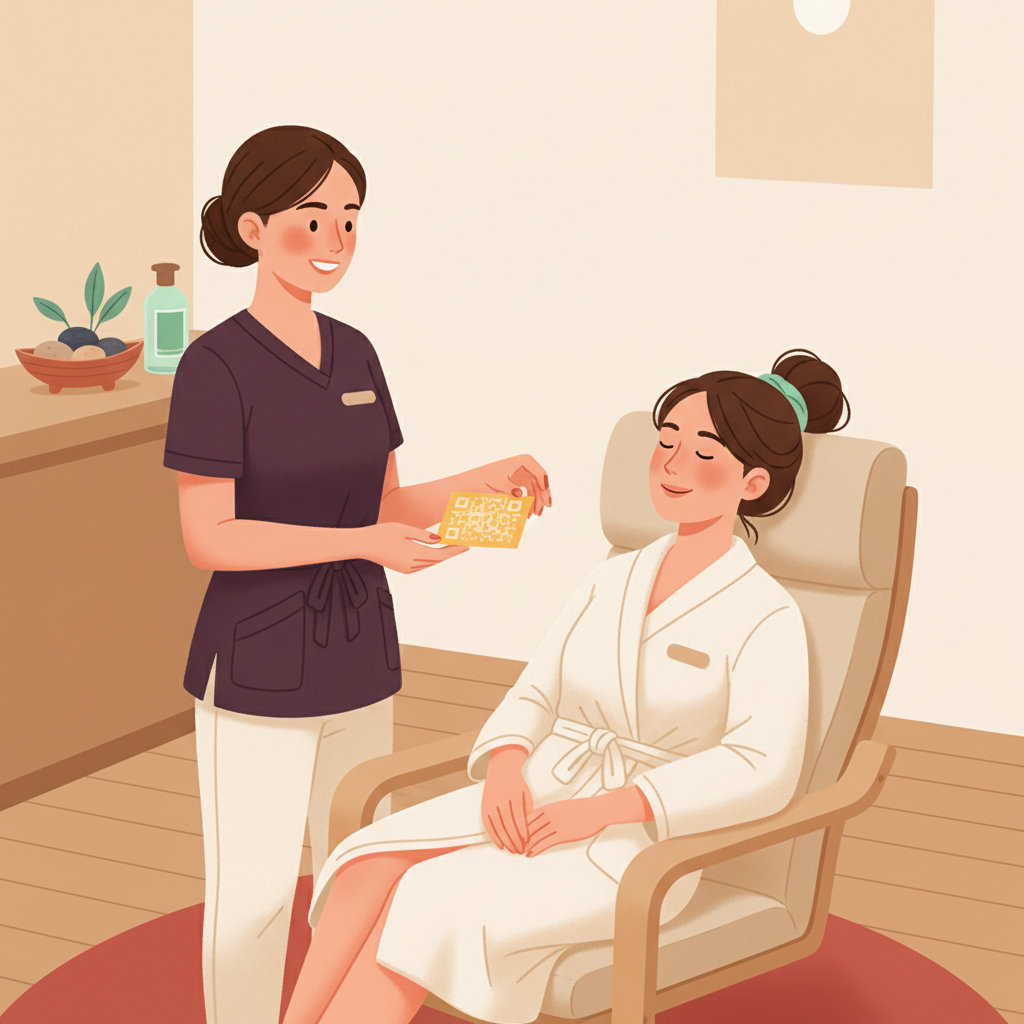
To get more tips as a massage therapist, focus on making the act of tipping easy, clear, and convenient for your clients. This involves reducing 'tipping friction' points like not knowing if or how to tip, or what amount is appropriate.
Why Clients Don't Tip: Understanding Tipping Friction
Many clients are willing to tip but don't. This isn't usually about their gratitude, but about tipping friction — the barriers that prevent them from tipping. For massage therapists, these often include:
- Discovery friction: The client doesn't know tipping is an option at all.
- Payment friction: They don't have cash and no obvious digital way to tip.
- Identity friction: They're unsure who they are actually tipping, especially in a spa setting.
- Amount friction: They don't know what amount is appropriate for a massage.
- Timing friction: The moment passed before they had a chance to tip, perhaps after they've already left the room or paid for the service at the front desk.
Your goal is to anticipate and remove these friction points, creating a smooth and natural tipping experience.
Setting Up a Digital Tip Jar for Massage Therapists
A digital tip jar can solve many of these friction points. It takes about two minutes to create and does not require a website. It allows you to offer a clear, digital way for clients to tip.
How to Offer a Digital Tip Jar to Clients
To be effective, your tip jar needs to be visible and accessible at the right moments. We recommend judging any placement on six things:
- Visibility: Can clients clearly see it?
- Timing: Is it present near the thank-you moment, when gratitude is high?
- Dwell time: Do they have a moment to interact with it, perhaps while getting dressed or checking out?
- Context: Do they understand what it's for, for example, for you specifically or for the team?
- Accessibility: Can they physically reach and scan it, or click a link easily?
- Repetition: Can it appear in more than one relevant place without feeling pushy?
A digital tip jar can be shared in several ways:
- QR code: A printed QR code opens your Tip Jar page directly in the client's phone browser. This QR code can be generated for you. Common placements for a QR code include:
- On a small card you hand over at the end of the session.
- At the checkout counter or reception desk.
- On a subtle sign in the massage room, perhaps near where they leave their belongings.
- On a lanyard or name badge you wear.
- Link: The tip jar can be shared as a direct link. This could be in:
- A follow-up email or text after their appointment.
- Your email signature.
- An embed on your own website, if you have one.
Wording Your Tip Request
How you phrase a tip request matters. A good digital tip jar should feel like part of the experience, not another checkout, and the best tip jar appears where gratitude already exists. Consider these tones for your wording:
- WARM: "Loved your experience?" "Leave a little love." "Want to thank your therapist?"
- PROFESSIONAL: "Tips are never expected, always appreciated." "Gratuities for the team."
- MINIMAL: "Say thanks." "Who made your day?"
Avoid wording that feels like a demand; pressure can sour the memory of an experience. A tip jar creates a tipping moment, it's not just a payment link.
Spa Tipping Etiquette: Individual vs. Team Tipping
In a spa setting, clients may not know if they should tip an individual massage therapist or the entire staff. A Tip Jar can handle both scenarios:
- Individual Tipping: Clients can choose to send a tip to one named person. The money routes to whoever was chosen.
- Whole Crew Tipping: If the jar has this option turned on, a client who doesn't know names can tip the whole crew instead of picking a single person. The money routes to the team.
This separation between who the tip was for and where the money went is important. A tip can be credited to a named person while the money settles to the business account, ensuring recognition even if payouts are managed centrally. Team members can appear on a Tip Jar and be chosen by customers even before they've finished setting up their own payouts; tips credited to them route to the business in the meantime and stay attributed to them.
Tip Jar keeps a 3% platform fee, taken out of the tip rather than added to it. The smallest tip accepted is $5.
Questions people actually ask
What is 'tipping friction'?
'Tipping friction' refers to the various reasons a willing customer might not tip, such as not knowing tipping is an option, lacking cash, or being unsure of who to tip or how much to give.
How does a digital tip jar help massage therapists get more tips?
A digital tip jar helps by removing common barriers like not having cash (payment friction) and providing a clear, convenient way to tip digitally. It also helps with amount and identity friction by suggesting amounts and clearly naming who is being thanked.
Where should I place a QR code for my digital tip jar in a spa setting?
Consider placing QR codes where clients have dwell time and gratitude is high, such as on a small card handed over after the session, at the checkout counter, on a subtle sign in the massage room, or on your name badge.